SEO & Performance
Answer Engine Optimization: How to Get Cited by ChatGPT and Perplexity
How to structure content, schema and authority so ChatGPT, Perplexity and Google AI Overviews quote your site.
Here is a pattern we see constantly in 2026. A business checks Google, sees it still ranks on page one for its main terms, then opens analytics and finds visits down 20, 30, sometimes 40 percent. Nothing about the rankings changed. The traffic left anyway.
It is not a penalty and it is usually not your fault. The results page itself changed. Google now answers many questions in an AI Overview at the top, and a growing share of people get what they need without ever clicking a link. This is what that shift means for your website, what the data actually says, and the moves that still work.
Google now answers a lot of searches right on the results page with an AI summary, so people read the answer and never click through. Pew Research found people clicked a result on just 8 percent of searches that showed an AI summary, against 15 percent without one. Your position can hold while your clicks fall. The fix is to become the source the AI quotes, target searches that still need a visit, and convert the visitors you do get.
Ranking and traffic used to move together. Climb the results, get more clicks. That link is breaking. You can hold the same position and still lose a large slice of the visits it used to send, because the click now happens less often.
The clearest measure of this comes from the Pew Research Center, which tracked 68,879 real Google searches from 900 US adults in March 2025. On searches that showed an AI summary, people clicked a regular result only 8 percent of the time. On searches without one, they clicked nearly twice as often, 15 percent. Same person, same intent, half the clicks. That is the gap showing up in your analytics.
Check whether your titles and pages still earn the click.
Run the free auditAn AI Overview reads the top pages, writes a summary, and puts it above the links. For a lot of simple questions, that summary is the whole answer, so the visit never happens.
The same Pew study found that only 1 percent of people clicked one of the sources listed inside the AI summary itself, and that browsing sessions ended more often after an AI summary appeared, 26 percent of the time against 16 percent for a plain results page. People got the answer and left. And this is not a rare edge case: 18 percent of all the searches Pew observed already produced an AI summary, and that share keeps climbing as Google expands where these appear.
The takeaway is not that SEO is dead. It is that ranking is no longer the finish line. Being on the page is not the same as being the click.
Two reasons. First, most small businesses lean on Google as their main source of new visitors, with no big brand searches or paid budget cushioning the drop, so a dip in organic clicks lands directly on the bottom line.
Second, the searches AI Overviews answer best are the broad, informational ones, the how-to and what-is queries that a lot of small-business blog content was built to catch. That top-of-funnel traffic is exactly what is thinning out. The good news is that the searches closest to a sale, the ones with a place, a price, or a decision attached, still push people to click, because a summary cannot book the appointment or show your work. That is where your effort should move, and a strong local SEO setup helps you own those high-intent searches.
If people read the summary instead of your page, the next best thing is to be the page the summary is built from and named after. When an AI Overview or a tool like ChatGPT cites your business, you get the brand mention and often the click from the people who do want detail.
Getting cited is its own discipline. It means giving a clear, direct answer to a specific question near the top of the page, structuring content so a machine can lift it cleanly, and adding the schema that tells engines what your page is. We wrote the full method in how to get cited by ChatGPT and Perplexity, and it is the core of our SEO and performance work. Speed still matters too, because slow pages get read less and cited less, which is why Core Web Vitals stay on the checklist.
The deeper lesson is that renting every visit from Google is riskier than it used to be. The channels you own hold up better when the results page shifts under you.
That means converting the visitors who do land, so a smaller number of clicks still produces the same number of enquiries, and it means building direct demand: email, repeat customers, referrals, a site people come back to on purpose. A homepage that turns a visit into an enquiry is worth more than ever now that visits are scarcer. If you want a read on where you stand, a quick website audit shows how visible and how fast your site actually is, and our monthly plans cover the build, the SEO, and the upkeep that keeps you in the answer as the rules keep moving.
Traffic down while your rankings held? We will find out why and rebuild your site to get cited, get clicked, and convert the visitors you get.
See our plansMultiple pages were competing to represent the same name, which splits authority and muddies what gets shown.
When rankings hold and clicks fall, start with what the result actually looks like, not with the position number.
Read the Brandon Gamagami case studyBecause the results page changed, not your ranking. Google now shows an AI summary that answers many searches directly, so fewer people click any link. Pew Research measured clicks at 8 percent on searches with an AI summary against 15 percent without, so the same position sends fewer visits than it did a year ago.
An AI Overview is a summary Google generates from top-ranking pages and shows above the normal links. It answers the query on the spot. That is helpful for the searcher but it means your page can be read and used without earning a visit.
No. Broad informational searches, the how-to and what-is questions, lose the most clicks because a summary can answer them. Searches with clear intent, a location, a price, or a decision attached, still send people to your site, so those are worth prioritising.
Answer a specific question clearly and early on the page, structure the content so it is easy to lift, add the right schema, and build genuine authority. Our guide on answer engine optimization walks through the full process, and it is the same work that helps you rank the normal way.
No, but the goal shifts. Ranking alone is no longer enough, so the aim is to be the source AI cites, to win the high-intent searches that still require a click, and to convert and keep the visitors you get rather than relying on ever-growing raw traffic.
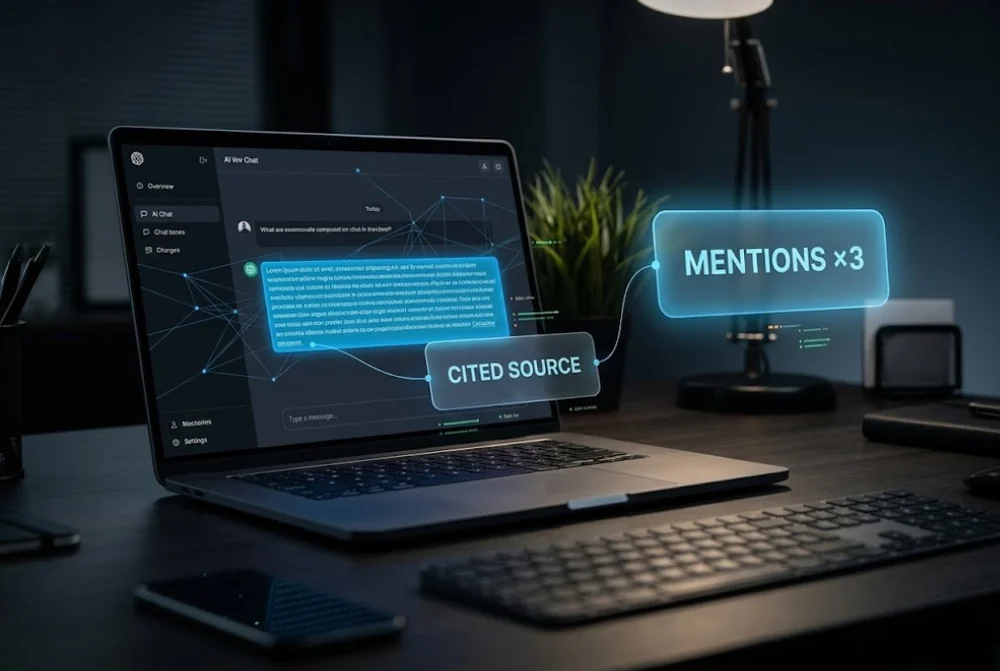
How to structure content, schema and authority so ChatGPT, Perplexity and Google AI Overviews quote your site.
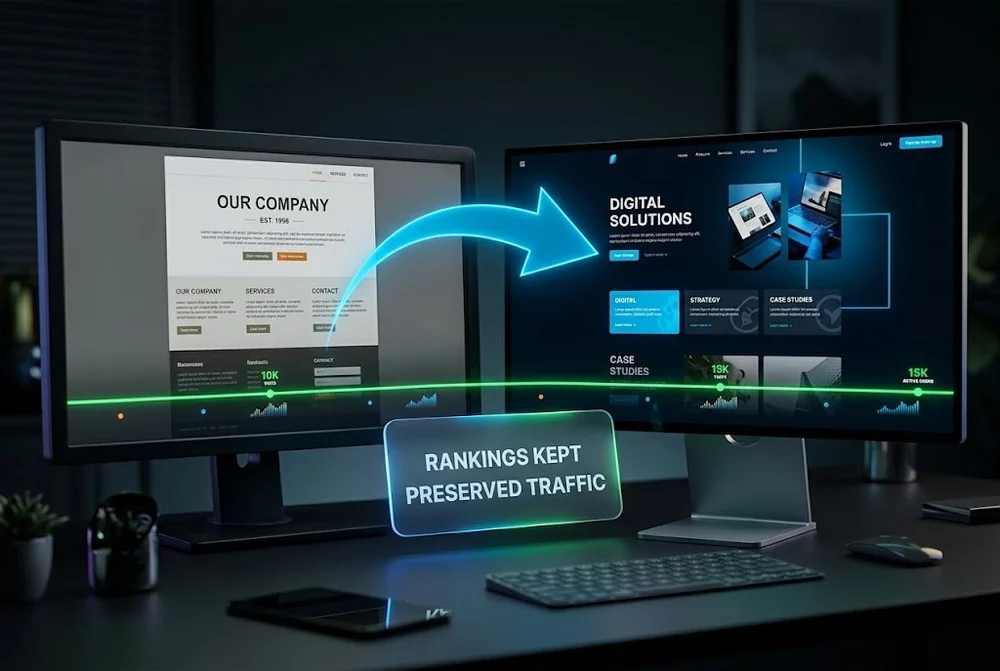
Inventory URLs, map 301 redirects and preserve content so a redesign keeps your rankings.
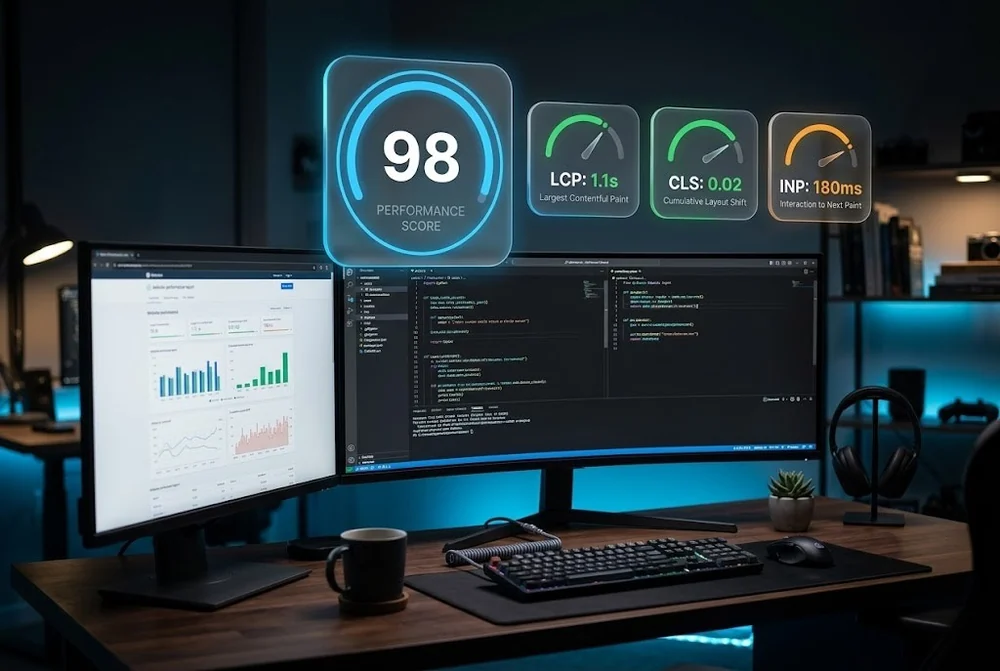
What actually moves LCP, CLS and INP, plus the website speed wins most teams skip.
From first sketch to launch day, we design sites that look unforgettable and convert like they mean it.